

24/7 Threat Monitoring
We watch system logs, cloud endpoints and infrastructure traffic around the clock and flag anything unusual as it happens.
Layered security for your whole environment, run by certified security engineers who monitor it around the clock and aligned to the major global compliance frameworks. It now covers governance of the AI tools your people use and defence against AI-assisted attacks.

We go looking for threats instead of waiting for an alert. Our certified Security Operations Center (SOC), delivered with specialist security partners, has engineers who probe for vulnerabilities and watch for changes in how your devices behave. When they find something abnormal, automated containment starts straight away.

Nine layers of defensive tooling that work together, run around the clock by certified engineers.
We watch system logs, cloud endpoints and infrastructure traffic around the clock and flag anything unusual as it happens.

Extended detection and response on every workstation and server, so related threats are linked and contained fast.

User accounts secured with multi-factor authentication, conditional access policies and identity threat detection.

Malicious domains are blocked at the DNS layer, which stops phishing, malware callbacks and data exfiltration before they reach your network.

AI-driven phishing analysis and domain spoofing prevention, with malicious attachments quarantined automatically.

A managed web application firewall for your customer-facing apps and APIs, plus vulnerability assessment and virtual patching.

Automated Microsoft 365 backups and email archiving, so you stay compliant and can recover quickly if data is lost.

We manage your next-generation firewalls and handle intrusion prevention, network segmentation and encrypted traffic inspection.

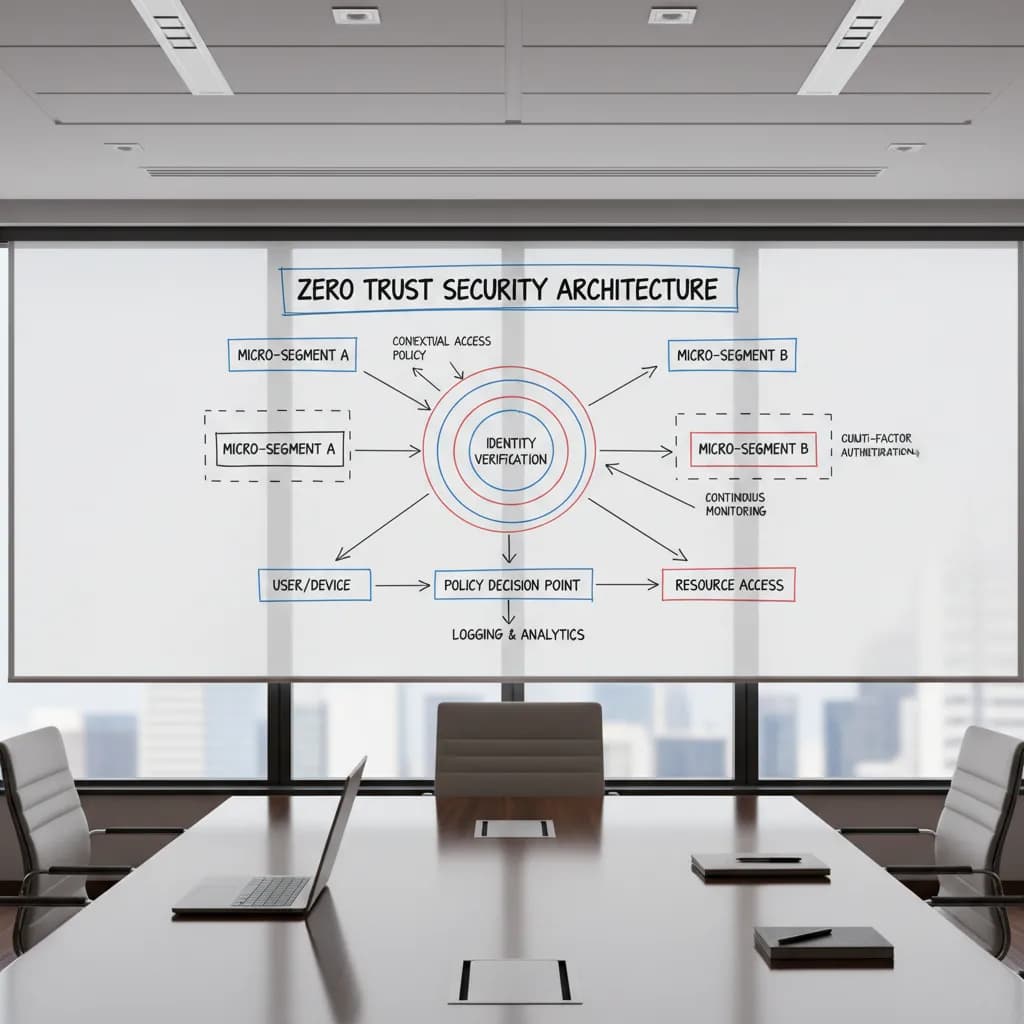
Every user, device and connection is verified before it is given access, everywhere in your environment.
Our security operations team monitors your systems 24 hours a day. They analyse system logs, cloud endpoints and traffic across your infrastructure to catch anything unusual as soon as it appears. The first pass is automated. Machine learning and AI-driven SOAR platforms, fed with threat intelligence, link related events across your environment and handle the first response automatically. When something proves to be a real threat it goes to one of our analysts, who investigates and contains it, then fixes what it affected. You get a written timeline of the incident and the steps we took. We alert you to critical events as they happen. Each month you also receive a report covering what we detected and the false positives we filtered out, along with the new risks facing your industry.

Traditional antivirus only recognises attacks it has seen before, and modern attacks are built to get past it. Our Extended Detection and Response (XDR) platform pulls threat data from every workstation and server you have into one view, so an attack that touches several machines is contained quickly, as one incident. We deploy and manage the EDR agents on each device. They watch how software behaves, using machine learning and threat intelligence, which is how they catch what antivirus misses: fileless malware, zero-day exploits and an attacker moving between machines (lateral movement). Once a threat is confirmed, an automated playbook isolates the affected device within seconds. Our analysts investigate every detection. Each incident report comes with a forensic timeline and the root cause, plus our recommendations for hardening against a repeat.

Stolen credentials are the most common way attackers get in. Our identity protection service secures every user account with several layers of defence on top of the password. We set up multi-factor authentication (MFA), conditional access policies and risk-based sign-in controls across your Microsoft 365 and Azure AD environment. A suspicious sign-in, such as impossible travel, an unfamiliar device or a brute-force attempt, is blocked automatically and reviewed by an analyst. Privileged accounts get just-in-time access and session monitoring, and we review who holds that access on a regular schedule. Each month you receive an identity risk report showing the attacks we blocked and any policy violations, with our recommendations for tightening access.

Most cyberattacks begin with a DNS lookup. A user clicks a phishing link, malware phones home, or data is sent out through a covert channel. Our DNS protection stops these at the network layer, before they reach your endpoints. We deploy DNS filtering that blocks known malicious domains, phishing sites and command-and-control servers, along with any categories you choose, such as gambling, adult content or social media during work hours. The policies follow your users whether they are in the office or working remotely. Detailed logs show you DNS traffic patterns, blocked threats and user browsing behaviour. You can use them for security investigations and to enforce your acceptable-use policy.

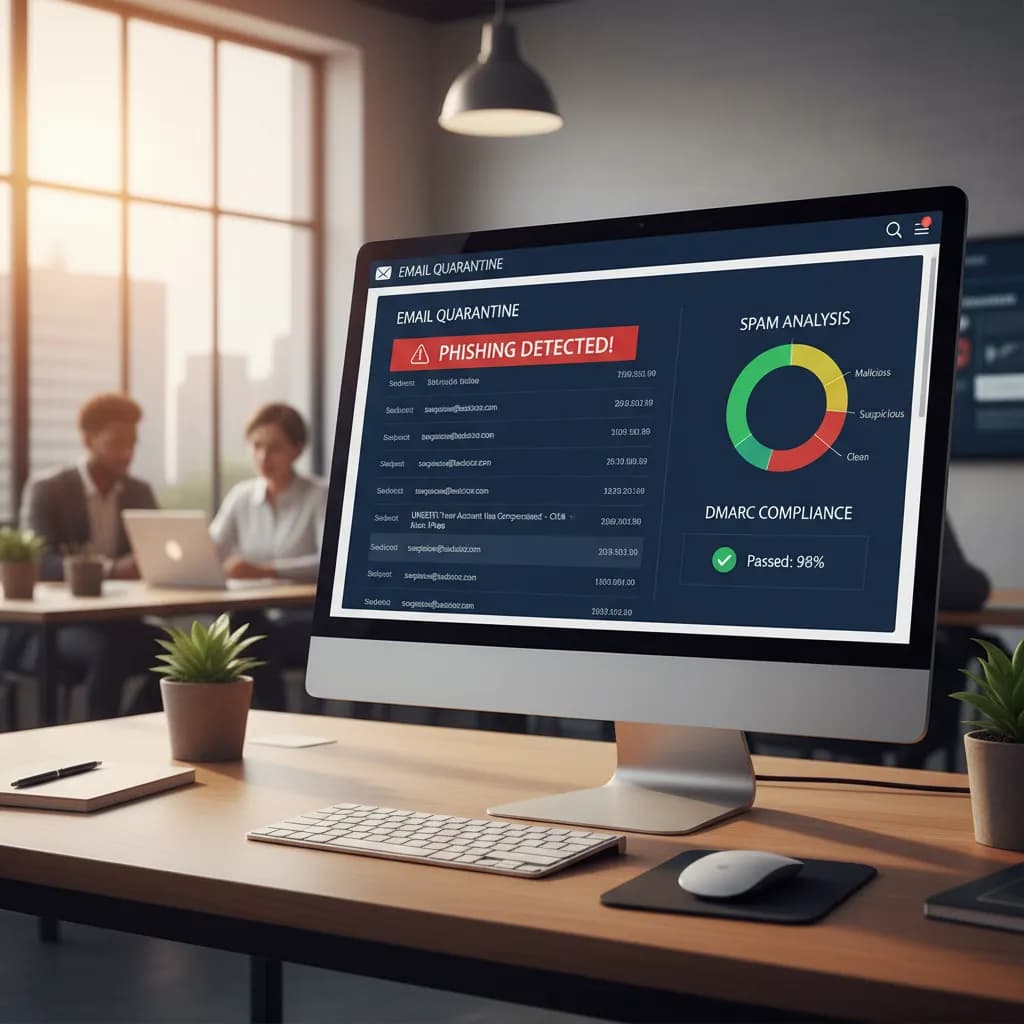
Email is still how most phishing, ransomware and business email compromise (BEC) attacks arrive. Our email protection service uses AI-driven analysis to catch the threats that standard spam filters miss. On top of your Microsoft 365 environment we add phishing detection, domain spoofing prevention (SPF, DKIM, DMARC), sandboxing for malicious attachments and impersonation protection. Suspicious emails are quarantined automatically, and a false positive can be released with one click. Our team watches quarantine trends and tunes the detection rules every month. You also get user-awareness figures showing who clicked, who reported and where training should be focused.
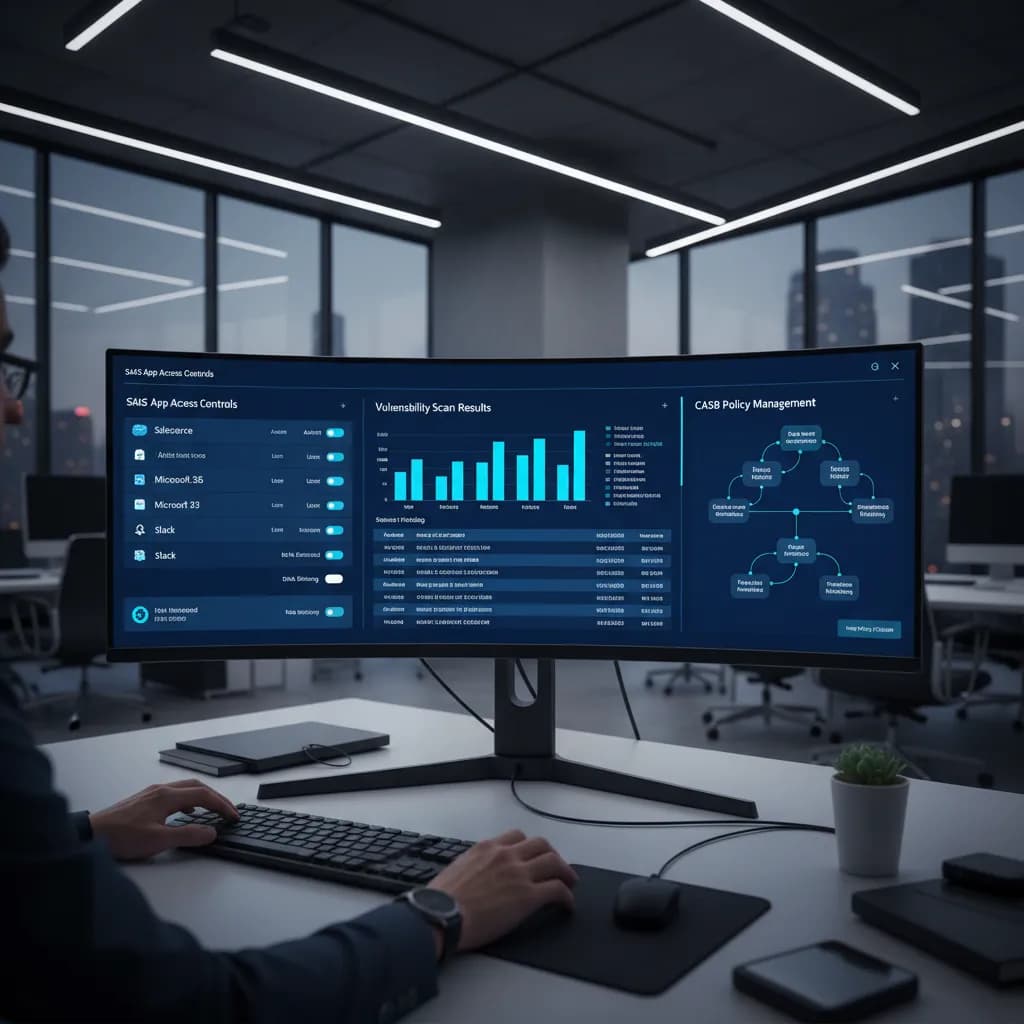
Your web-facing applications are the most exposed part of your environment. That includes customer portals, booking and payment systems, APIs, and the line-of-business tools your staff log into from anywhere. Our application protection service puts a managed web application firewall in front of them and keeps it tuned to the traffic they actually see. The firewall blocks injection, cross-site scripting, credential stuffing, malicious bots and the rest of the OWASP Top 10 before a request reaches your application. Rate limiting and DDoS absorption keep legitimate users moving while you are under attack. We update the protection rules as new vulnerabilities are disclosed, so a flaw in a framework you run is shielded while the patch is scheduled. Regular application security assessments find misconfigurations, exposed endpoints and outdated components. You get a clear picture of your application attack surface and a prioritised plan for fixing it.
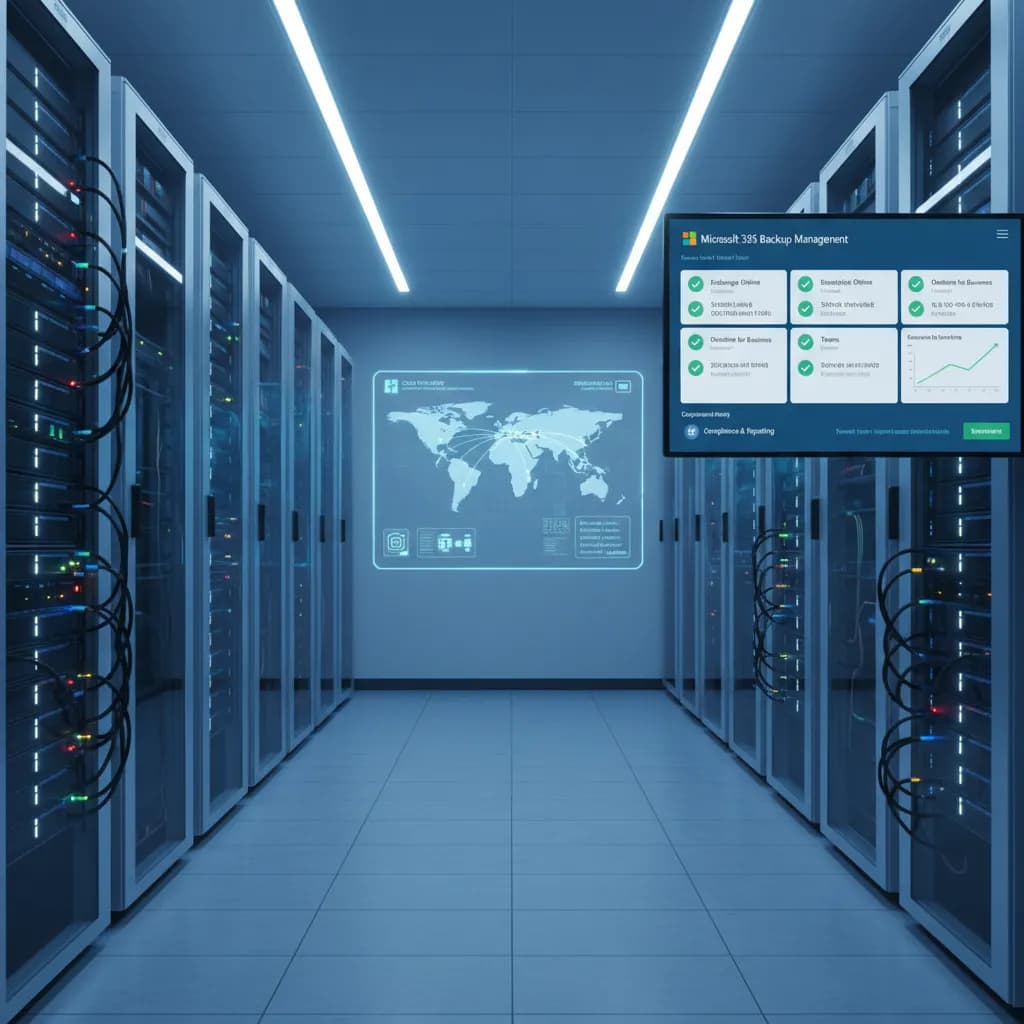
Regulators, clients and partners all expect you to protect your data. Our data protection service covers automated backup and email archiving for your Microsoft 365 tenant and for the server and cloud workloads behind it. We set up automated backup schedules for Exchange, SharePoint, OneDrive and Teams, with point-in-time recovery. Email archiving keeps you compliant with your retention policies and lets you search quickly when a legal discovery or audit request comes in. Beyond the tenant, we back up your servers, virtual machines and cloud workloads with immutable copies and scheduled restore tests, so recovery is a procedure we have already rehearsed.
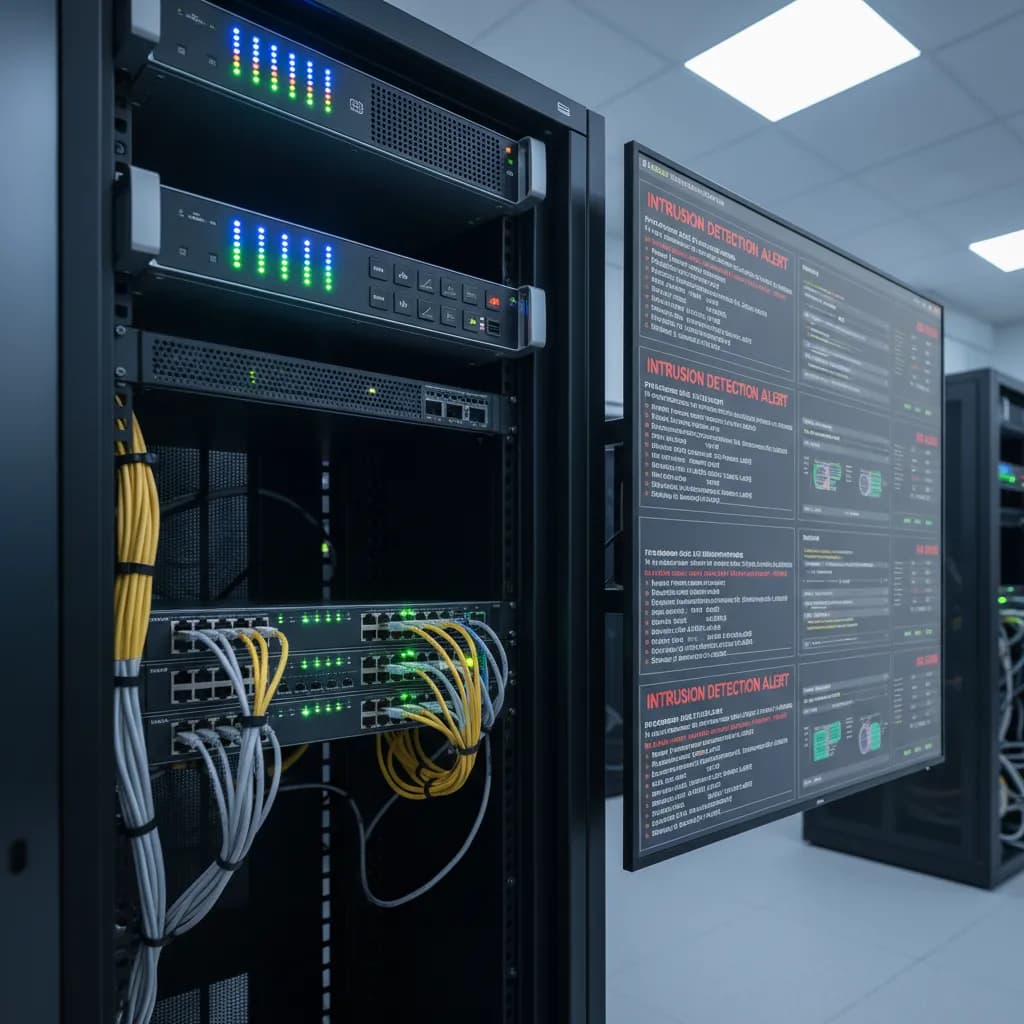
Everything your business does crosses your network, so a breach there reaches everything else. Our network protection service covers next-generation firewall management, intrusion prevention and encrypted traffic inspection. We manage your firewall rules, network segmentation and VPN infrastructure, and every change goes through a documented change management process. Intrusion detection and prevention systems (IDS/IPS) monitor traffic in real time for known attack patterns and anomalous behaviour. For organisations with multiple sites, we design and maintain secure site-to-site connectivity and SD-WAN configurations. We also run regular penetration tests and network vulnerability assessments to find weaknesses before an attacker does.
Remote work, cloud services and staff using their own devices (BYOD) have removed the old security perimeter. Zero Trust treats every connection as potentially hostile until it is proven otherwise, which is usually summed up as never trust, always verify. We implement Zero Trust architecture across your environment. Devices pass a compliance check before they get network access, and micro-segmentation limits lateral movement. Sensitive resources require continuous authentication, and least-privilege access policies are enforced at every layer. We do this in phases. We assess where you are now, pick out the quick wins and build a roadmap that tightens controls step by step without disrupting your staff. Each phase can be measured, so you can show auditors and stakeholders your progress on compliance.
Automated alerts are only useful once a person has judged them. Together with our technology partners, the global SOC monitors your networks around the clock. Experienced engineers review what the AI threat feeds raise and filter out the noise, so we react immediately to the risks that are real.

Managed IT keeps your infrastructure running: servers online, fast internet, software up to date. Managed Cybersecurity deals only with security: finding and isolating threats, securing data in transit, testing your staff and keeping you within your regulatory compliance requirements.
Our certified global SOC contains critical threats within 20 minutes. In that time it quarantines endpoints, changes firewall rules and stops the threat spreading sideways through your network.
No. Our pricing includes deploying, managing and tuning the tier-1 security platforms we use, including EDR, email spam blocking, training tools and scanning suites. Where you already hold licenses worth keeping, we integrate with the tools you have rather than duplicate them.
Yes. We map the controls we run to the frameworks that insurers, auditors and larger customers ask about in New Zealand: Essential Eight, SMB1001 and NIST CSF 2.0. We keep the evidence as we go, so you can answer a renewal or tender questionnaire from records. We do not run external audits ourselves, but we hand over audit-ready evidence when one is due.
Thinking about Managed Cybersecurity? Tell us how it works for you today and we will show you what we would change first, and what it takes to run it well.